Choose a kind of journey before a famous name
“Mountain astronomy expedition” can describe very different experiences. One trip might use a public observing terrace reached by road; another may involve a walk to a temporary camp. A research observatory tour may happen entirely in daylight without any eyepiece viewing. Before comparing scenery or telescope sizes, establish what the journey actually includes: transport, walking distance, overnight location, observing hours, shared equipment and the staff present throughout the night.
First-time travelers often benefit from a lower, accessible base with several possible observing evenings. This leaves room to learn the sky and adapt to conditions. A dramatic summit itinerary can compress the evening into transport and setup, especially if weather windows are short. Judge the available observing time rather than the prominence of the destination’s name.
Distinguish visitor access from research access
Professional instruments are not public telescopes waiting for a clear evening. The Atacama Large Millimeter/submillimeter Array, or ALMA, and the Atacama Pathfinder Experiment, or APEX, are scientific facilities in a demanding high-altitude environment. Any official visitor programme has its own location, restrictions and booking arrangements. Do not infer access to an operational site from a photograph, a regional tour description or an old travel account.
At Maunakea, the University of Hawaiʻi’s visitor information is an essential starting point for current rules, altitude cautions and public programmes associated with the Onizuka Center for International Astronomy Visitor Information Station. A visitor-station experience is not the same as a summit visit. Cultural responsibilities, road restrictions and health advice should shape your plan before telescope preferences do.
Put altitude and health before the timetable
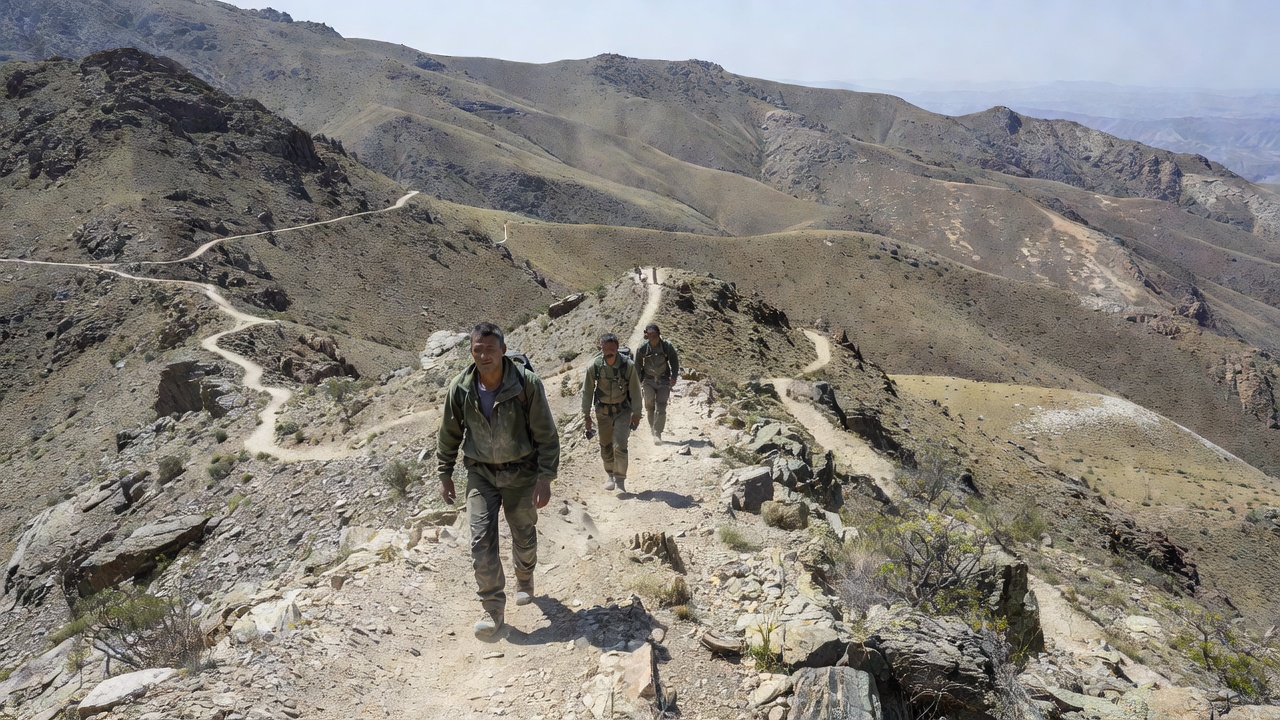
Altitude introduces a physiological demand that enthusiasm and physical fitness do not cancel. Rapid ascent can cause illness, and people respond differently. Consider the elevation where you sleep as well as the highest point you visit. Ask how the itinerary supports gradual adjustment, what symptoms staff monitor and how a participant can leave the observing site promptly if necessary.
The NHS guidance on altitude sickness explains symptoms and the importance of not ascending further when unwell. Seek individualized medical advice before travel if your health, medication or previous altitude experience raises questions. Worsening symptoms require prompt action; severe breathlessness, confusion or difficulty walking are emergencies. A guide’s oxygen cylinder is not a substitute for a suitable itinerary, appropriate medical advice or descent when needed.
Ask a guide operational questions
A useful guide does more than name constellations. Ask about their experience at the actual site, the transport arrangements and the person responsible for a stop decision. “Weather permitting” should lead to a concrete conversation: when will the decision happen, what alternatives exist, and what happens financially if the night cannot proceed? Read the written terms rather than relying on a verbal impression.
Discuss group size and observing access too. A large telescope shared among many visitors may mean limited eyepiece time. Ask whether the operator can accommodate mobility, hearing, vision or dietary requirements without assuming all mountain venues are accessible. Confirm the availability of toilets, shelter and a warm waiting area. These details can determine whether the night is enjoyable long before optical performance becomes relevant.
Read destination examples with their limits intact
Pic du Midi in the French Pyrenees offers visitor experiences within a mountain setting, but the current programme, overnight availability and weather-dependent transport must be checked directly. In South Africa, the South African Astronomical Observatory provides official information about Sutherland visits. A public tour does not imply access to every research instrument or the ability to remain on site independently after the session.
In the United States, Great Basin National Park’s astronomy programme is an example of organized public interpretation within a mountain landscape. Programmes, road access and seasons can change. These examples are not a ranked itinerary: they illustrate different access models. Verify the exact venue and official booking route, then choose the model that matches your abilities and observing aims.
Make the return journey an explicit part of the plan
Darkness, cold and concentration make an evening more tiring than its walking distance suggests. Confirm who drives, how late the return may be and what happens if someone wants to stop early. Do not plan a demanding drive immediately after an overnight session. Download essential route information in advance and carry an offline means of communication appropriate to the area; mobile coverage should not be assumed.
Respect gates, parking rules, private land, wildlife and cultural sites. Avoid leaving equipment where it blocks a route, and never improvise a viewing stop on an unsafe roadside. A responsible trip can end early and still be successful. Reaching the mountain is only half the task; returning safely, with the place undisturbed, completes it.